

 Nederlands
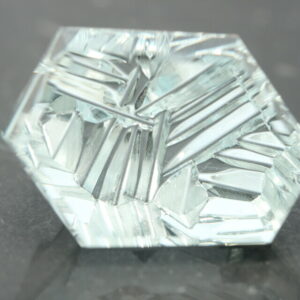
Aquamarine
€1.195,00
Out of stock
€495,00
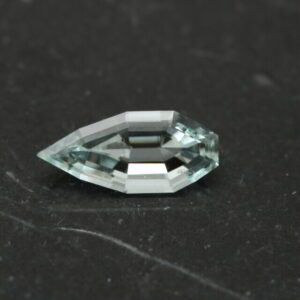
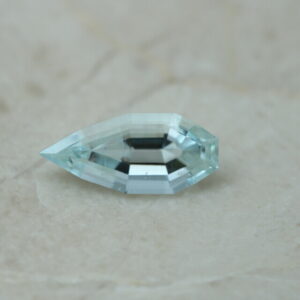
Aquamarine
€159,00
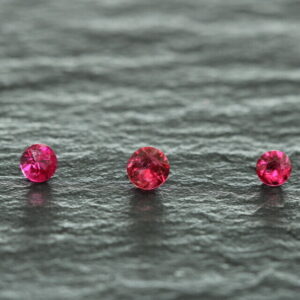

Out of stock
€300,00
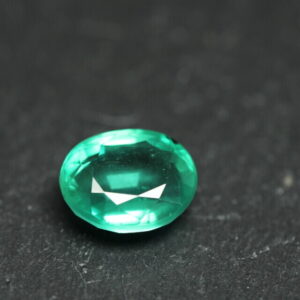

€995,00
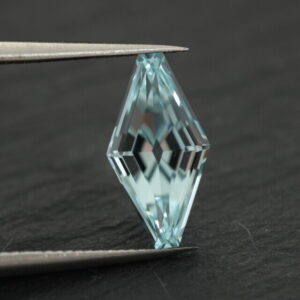
Aquamarine
€395,00

€395,00
€284,00
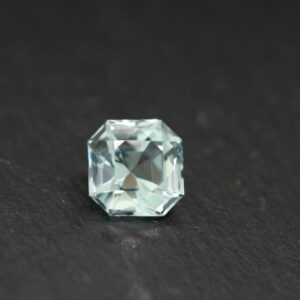

Aquamarine
€354,00
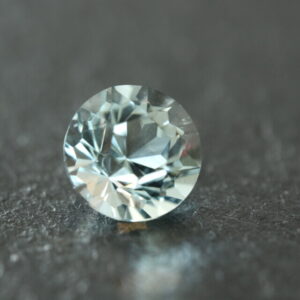
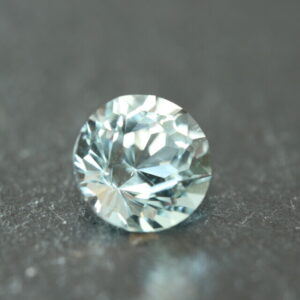
Aquamarine
€175,00
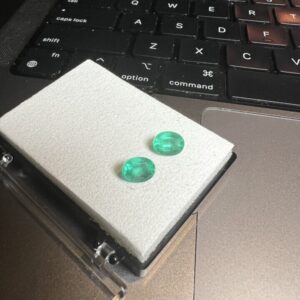

Beryl
€969,00
Out of stock
€350,00
Beryl
What is beryl?
Beryl is a mineral that chemically consists of beryllium aluminium silicate (Be₃Al₂Si₆O₁₈). It forms hexagonal crystals and occurs in a wide range of colours. The pure, colourless form is called goshenite, but traces of other elements cause characteristic colours, creating different gemstone varieties.Beryl has a hardness of 7.5–8 on the Mohs scale, is relatively light in weight and often exhibits beautiful transparency and lustre. Beryl is the overarching family that includes well-known gemstones such as emerald and aquamarine.Beryl is a versatile gemstone mineral responsible for some of the most iconic gemstones in the world. From the deep green emerald to the rare red of bixbite, beryl offers an impressive variation in colour, value and applications. Knowledge of the different types and treatments is essential when purchasing and valuing.
Beryl species
Beryl has various varieties, each with its own name depending on colour and chemical composition:
- Emerald
- Deep green variety, coloured by chromium and/or vanadium.
- One of the four classic precious stones (alongside diamond, ruby and sapphire).
- Often with many natural inclusions.
- Aquamarine
- Blue to blue-green, coloured by iron.
- Popular due to its clear, serene shades and excellent wearability.
- Morganite
- Pink to peach-pink beryl, coloured by manganese.
- Increasingly popular as an alternative to pink sapphire or diamond.
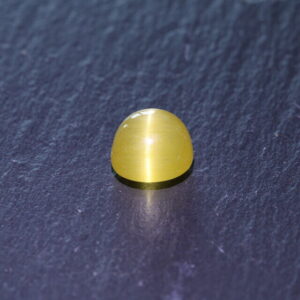
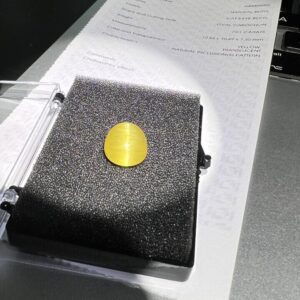
- Heliodor
- Yellow to golden yellow, coloured by iron.
- Less well-known, but attractive due to its warm colour.
- Goshenite
- Colourless beryl.
- In the past sometimes used as a diamond imitation.
- Red beryl (Bixbite)
- Very rare, intensely red-coloured by manganese.
- Extremely rare, only found in Utah (US).
- Maxixe beryl
- Dark blue, often with an unstable colour (fades in light), primarily used for collection purposes.
Origin of beryl
Beryl is found worldwide, with specific types originating from certain regions:
- Emerald: Colombia (Muzo, Chivor), Zambia, Brazil, Afghanistan, Ethiopia.
- Aquamarine: Brazil, Pakistan, Nigeria, Madagascar, Mozambique.
- Morganite: Brazil, Mozambique, Afghanistan, Madagascar.
- Heliodor: Brazil, Namibia, Ukraine.
- Red beryl: Only from the Wah Wah Mountains in Utah (US).
- Goshenite: Various locations, including Brazil, Canada and the US.
Beryl treatments
Different types of beryl undergo treatments, depending on the variety and market:
- Oiling of emerald
- Many emeralds contain inclusions and fractures that are filled with oil or resin to improve clarity.
- This treatment is common and accepted, provided it is correctly disclosed.
- Heating of aquamarine and morganite
- Aquamarine is often heated to remove greenish tints.
- Morganite can be heated to brighten or intensify orange tones.
- Irradiance of maxixe or some heliodors
- Used to obtain intense colours, but these can be unstable (discolouring in light or heat).
- Coating (rare)
- Some colourless or lightly coloured beryl is coated with a thin layer to create visually appealing colours.
Most sought-after beryl
- Emerald – especially from Colombia, with deep colour and natural ‘jardin’ inclusions.
- Red beryl (Bixbite) – extremely rare, seldom larger than 1 carat, favoured by collectors.
- Aquamarine – clear blue, large stones are popular in the jewellery market.
- Morganite – soft, romantic colours make it sought after for engagement rings.
- Heliodor – rarer on the market, but appreciated by lovers of yellow gemstones.