

 Nederlands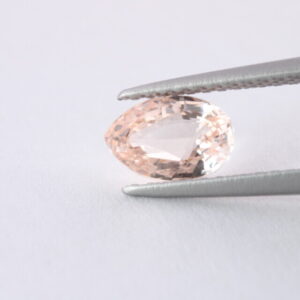
Out of stock
Padparadscha sapphire
€1.595,00

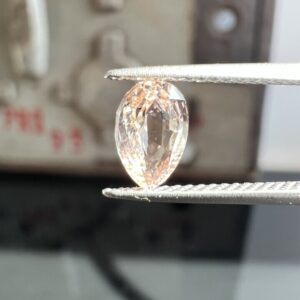
Padparadscha sapphire
€995,00
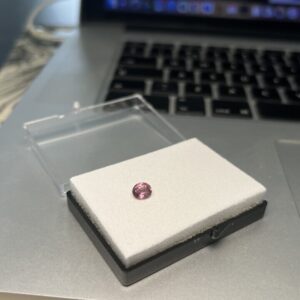
Padparadscha sapphire
€1.495,00
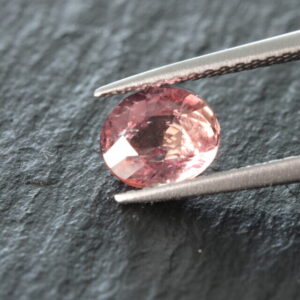
Padparadscha Sapphire
What is Padparadscha sapphire?
Padparadscha sapphire is one of the most extraordinary and rare varieties of corundum, the mineral family that also includes the famous blue sapphire and ruby. The name "Padparadscha" is derived from the Sinhalese word for lotus blossom, referring to the gemstone's unique color, which resembles the warm hues of a blooming lotus flower in the evening sun.Its color is a delicate balance of pink and orange, sometimes with a subtle peachy tone. This makes the gemstone exceptionally desirable, but also challenging to define: sapphires that are too pink are classified as "pink sapphires," while those that are too orange fall into the "orange sapphire" category. Only the harmonious balance between the two is recognized as a true Padparadscha sapphire.With a hardness of 9 on the Mohs scale, Padparadscha sapphire is exceptionally durable and well suited for all types of jewelry, including everyday wear.Padparadscha sapphire is one of the world's rarest and most captivating gemstones. Its unique lotus-like color, combined with sapphire's exceptional durability, makes it a premier choice for both jewelry enthusiasts and collectors. Untreated specimens from Sri Lanka are among the most exclusive and valuable gemstones available on today's market.
Types of Padparadscha sapphire
Padparadscha sapphires are primarily classified by their color, origin, and treatment. Common varieties include:
- Natural, untreated Padparadscha sapphire - exceptionally rare. These gemstones display the perfect balance of pink and orange without any color enhancement.
- Heat-treated Padparadscha sapphire - many gemstones undergo gentle heat treatment to intensify or stabilize their color. This is common practice and widely accepted within the gemstone trade.
- Diffusion-treated sapphires - beryllium diffusion is used to create a Padparadscha-like color. These gemstones are less desirable and significantly less valuable than naturally colored specimens.
- Synthetic Padparadscha sapphires - laboratory-grown gemstones, often with near-perfect color. While useful for educational purposes and affordable jewelry, they lack the rarity and value of natural Padparadscha sapphires.
Origin of Padparadscha sapphire
Historically, Sri Lanka (Ceylon) is the classic and most famous source of Padparadscha sapphire. The first specimens were discovered there, and the name itself originates from the local language.Today, Padparadscha sapphires are also found in:
- Madagascar – a major modern source, producing gemstones that often rival Sri Lankan material in both color and quality.
- Tanzania – occasionally yields pinkish-orange sapphires that fall within the accepted Padparadscha color range.
- Vietnam and Myanmar – smaller, less consistent sources of Padparadscha sapphire.
Padparadscha sapphire treatments
- Heat treatment - the most common enhancement. Improves or intensifies color and is widely accepted when properly disclosed.
- Beryllium diffusion - color is artificially introduced into the crystal through diffusion. While this creates Padparadscha-like hues, it significantly reduces the gemstone's value.
- Synthetic production - produced using methods such as the Verneuil process or hydrothermal growth. These gemstones are commonly used in lower-priced jewelry.
Most sought-after Padparadscha sapphires
- Untreated, natural gemstones from Sri Lanka are regarded as the classic and most prestigious Padparadscha sapphires.
- Gemstones displaying a perfect balance of pink and orange, without either color dominating, and exhibiting the characteristic soft "lotus" appearance.
- Large gemstones (2+ carats) with excellent clarity. Large, eye-clean Padparadscha sapphires are exceptionally rare and rank among the most valuable sapphires in the world.
- Gemstones certified by renowned gemological laboratories. Because classification is often debated and fraud is not uncommon, certificates from laboratories such as GIA or SSEF are considered essential for top-quality specimens.