

 Nederlands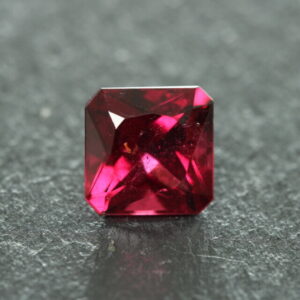
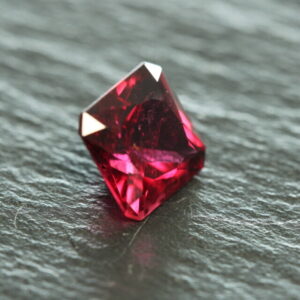
Rubellite tourmaline
€595,00

Out of stock
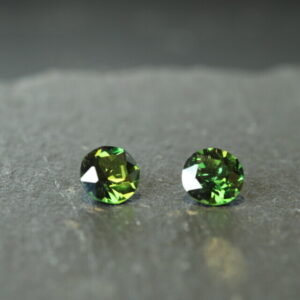
Chrome tourmaline
€295,00

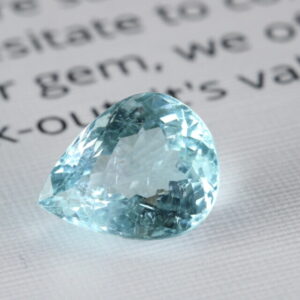
Paraiba tourmaline
€4.600,00

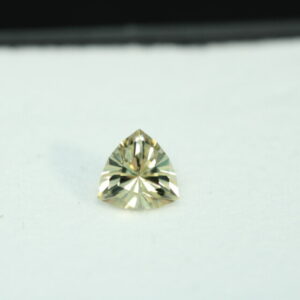
In-house cut
€119,00
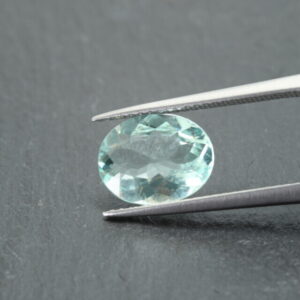

Paraiba tourmaline
€2.195,00
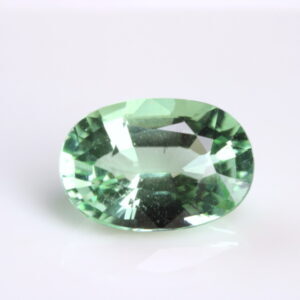
Paraiba tourmaline
€995,00
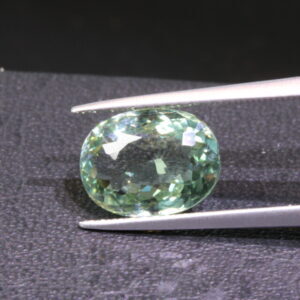

Tourmaline
€245,00


Out of stock
Paraiba tourmaline
€1.595,00
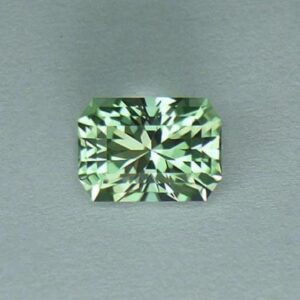
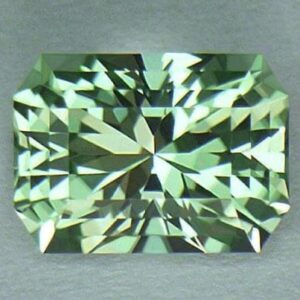
Out of stock
€190,00

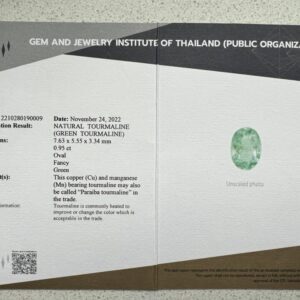
Out of stock
Paraiba tourmaline
€395,00
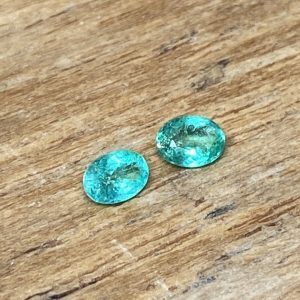
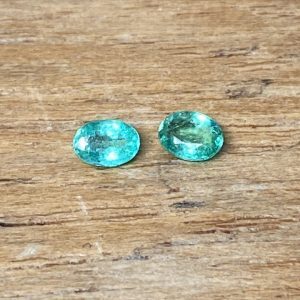
Out of stock
Paraiba tourmaline
€395,00
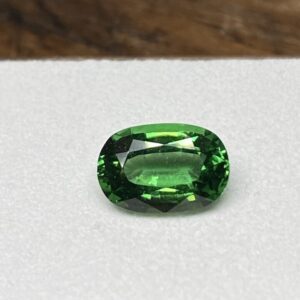
Out of stock
Chrome tourmaline
€480,00
More Information About Tourmaline
What is tourmaline?
Tourmaline is a crystalline borosilicate mineral renowned for its exceptional range of colors. It occurs in virtually every color of the rainbow, making it one of the most versatile gemstones in the jewelry industry. The name "tourmaline" is derived from the Sinhalese word *turmali*, meaning "stone with mixed colors."The chemical composition of tourmaline is highly complex and varies considerably. Elements such as iron, magnesium, lithium, and sodium play a major role in determining the gemstone's color and variety.
Types of tourmaline
Tourmaline occurs in numerous varieties. Some of the most well-known include:
- Schorl – black tourmaline, rich in iron. Widely used in jewelry and spiritual applications.
- Elbaite – a colorful variety available in pink, red, green, blue, and many other colors.
- Rubellite – red to pink tourmaline, often displaying vivid, saturated color.
- Verdelite – green tourmaline with bright and lively color.
- Indicolite – blue tourmaline, rare and highly prized.
- Paraíba tourmaline – exceptionally rare, with vivid neon blue to greenish-blue colors caused by copper. One of the world's most valuable gemstones.
- Watermelon tourmaline – crystals with a pink core and green outer layer, highly sought after by collectors.
Origin of tourmaline
Tourmaline is mined around the world. The most important sources include:
- Brazil – the world's largest producer, particularly famous for Paraíba tourmaline.
- Afghanistan & Pakistan – renowned for producing exceptionally clear elbaite tourmalines.
- Madagascar – a significant source of tourmaline in a wide variety of colors.
- Mozambique & Nigeria – known for vividly colored, copper-bearing tourmalines.
- United States – historic mining localities in California and Maine, especially for pink and green tourmalines.
Tourmaline treatments
Tourmalines are sometimes treated to improve their color and clarity. Common treatments include:
- Heat treatment – often used to enhance blue or green colors.
- Irradiation – applied to intensify pink colors, particularly in rubellite.
- Fracture filling – in rare cases, fractures are filled with oil or resin, although this is less common for tourmaline than for many other gemstones.
Most sought-after tourmalines
The value of tourmaline depends largely on its color, clarity, rarity, and origin. Among the most desirable varieties are:
- Paraíba tourmaline – exceptionally rare, displaying intense neon fluorescence. It ranks among the world's most valuable gemstones.
- Watermelon tourmaline – especially prized in natural crystal form by collectors.
- Deep pink rubellite and indicolite – widely used in fine jewelry and highly valued for their rich color.
- Untreated tourmalines – completely natural gemstones command the highest collector and market value.