

 Nederlands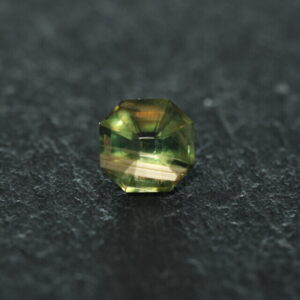
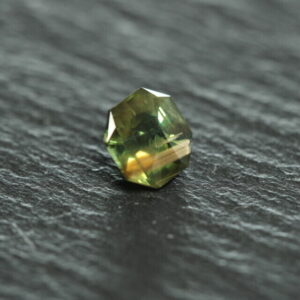
In-house cut
€440,00
Out of stock
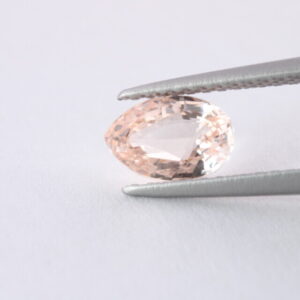
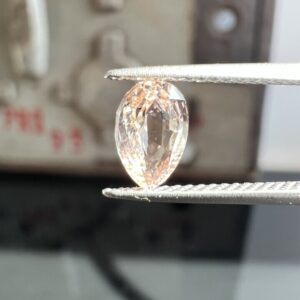
Padparadscha sapphire
€1.595,00


Sapphire
€899,00
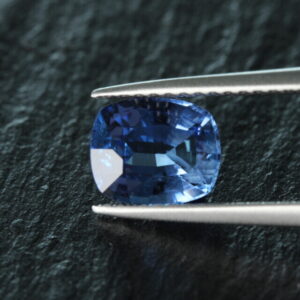
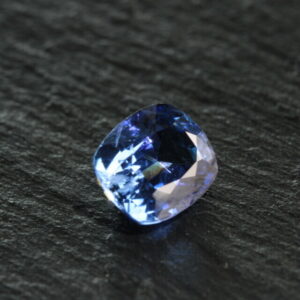
Sapphire
€895,00
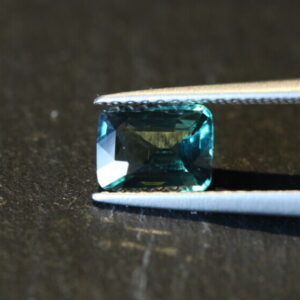
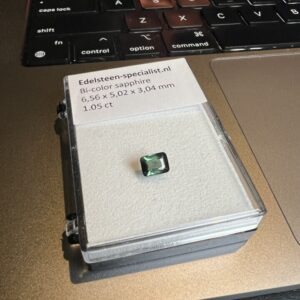
Out of stock
Sapphire
€295,00

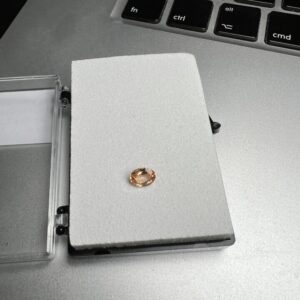
Padparadscha sapphire
€995,00
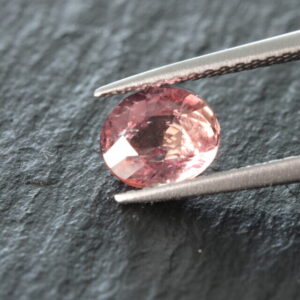
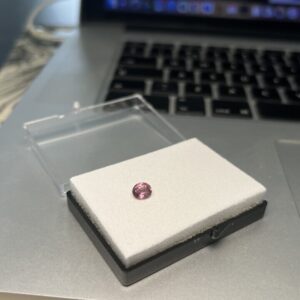
Padparadscha sapphire
€1.495,00

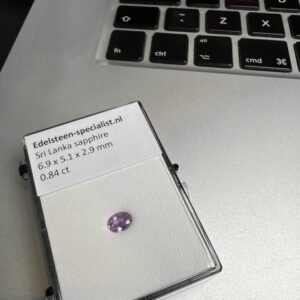
Sapphire
€210,00
Out of stock
Sapphire
€145,00

Out of stock
Sapphire
€145,00
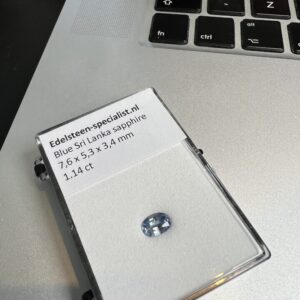
Sapphire
€230,00
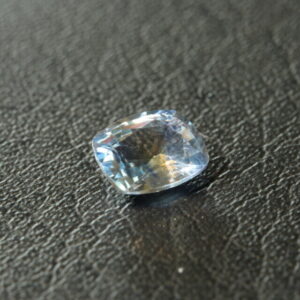

Sapphire
€295,00
Sapphire
What is sapphire?
Sapphire is a gemstone belonging to the corundum family (Al₂O₃), just like ruby. Unlike ruby—which is red—the term "sapphire" generally refers to the blue varieties of corundum. Sapphire is renowned for its exceptional hardness (9 on the Mohs scale), outstanding durability, and rich colors, making it an excellent choice for everyday jewelry.Although blue is the best-known color, sapphire occurs in virtually every color except red (which is classified as ruby). These non-blue sapphires are commonly referred to as "fancy sapphires."Sapphire is a gemstone with an exceptional range of colors, origins, and price levels. Whether it is a classic blue sapphire or a rare Padparadscha sapphire, the combination of beauty, durability, and prestige makes sapphire one of the most timeless gemstones.
Categories of sapphire
Sapphires are categorized based on color, origin, and unique optical effects:
- Blue sapphire - the classic variety, ranging from light blue to deep royal blue. The most desirable specimens display a velvety, vivid medium-blue color without gray undertones.
- Fancy sapphire - sapphires in colors other than blue or red, including yellow, orange, green, pink, and purple.
- Padparadscha sapphire - an exceptionally rare blend of pink and orange, considered the most sought-after of all fancy sapphires.
- Star sapphire (asterism) - cabochon-cut sapphires displaying a star-shaped light reflection (usually six-rayed) caused by needle-like rutile inclusions.
- Parti sapphire (bi-color) - sapphires displaying multiple colors within a single gemstone, most commonly blue and green or yellow. Especially well known from Australia.
- Color-change sapphire - sapphires that change color depending on the lighting conditions.
Origin of sapphire
Major sources include:
- Kashmir (India) – legendary for its velvety royal blue sapphires. Today these gemstones are extremely rare and are found almost exclusively at auction.
- Myanmar (Burma) – produces high-quality blue and fancy sapphires.
- Sri Lanka (Ceylon) – famous for vivid light to medium blue sapphires and exceptional Padparadscha sapphires.
- Madagascar – one of today's largest producers, particularly of fancy-colored sapphires.
- Thailand, Australia, Cambodia, Nigeria, and Tanzania – also supply commercial quantities of sapphires in a wide range of qualities.
Sapphire treatments
Treatments are very common for sapphires and significantly influence their value and appearance:
- Heat treatment - by far the most common treatment. Improves color and clarity and is widely accepted within the gemstone trade when properly disclosed.
- Diffusion treatment - elements such as titanium are introduced during heating to alter or intensify color. Because the treatment affects only the surface, it significantly reduces value.
- Beryllium diffusion - a specialized diffusion treatment used to create or enhance orange and yellow colors. It is difficult to detect without advanced laboratory testing.
- Untreated sapphire - highly sought after. Less than 1% of natural sapphires are commercially available without any treatment.
Most sought-after sapphires
The most valuable sapphires include:
- Kashmir blue sapphires – extremely rare, with a distinctive velvety appearance and legendary status among collectors.
- Untreated blue sapphires – especially those from Myanmar, Sri Lanka, or Madagascar.
- Padparadscha sapphires – featuring a unique pinkish-orange color, these are rare and highly prized.
- Star sapphires with sharp asterism – highly collectible cabochons, particularly in blue or gray body colors.
- Fancy sapphires with vivid, saturated colors – high-quality pink and yellow sapphires are especially popular as alternatives to traditional gemstones such as diamonds and rubies.