

 Nederlands
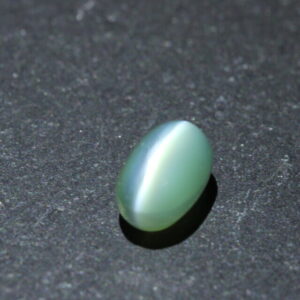
Out of stock
Alexandrite
€840,00
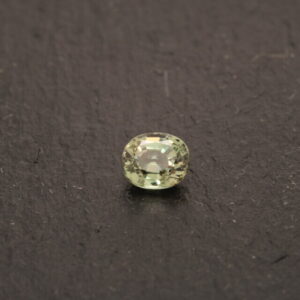
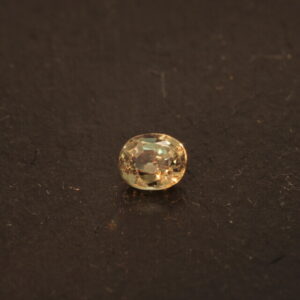
Out of stock
Alexandrite
€530,00
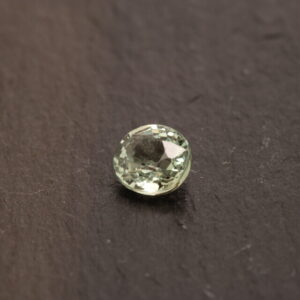
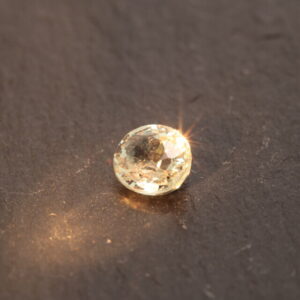
Alexandrite
Original price was: €1.190,00.€955,00Current price is: €955,00.
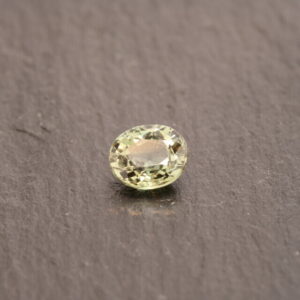
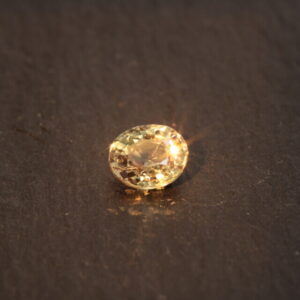
Out of stock
Alexandrite
Original price was: €935,00.€750,00Current price is: €750,00.

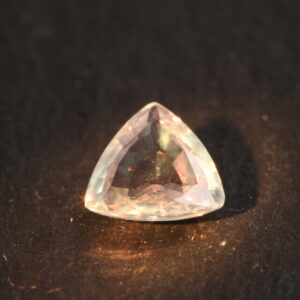
Out of stock
Alexandrite
€900,00

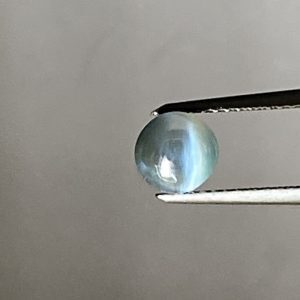
Out of stock
Alexandrite
€599,00

Out of stock
Alexandrite
€1.250,00
More information about alexandrite
What is alexandrite?
Alexandrite is an extremely rare and valuable gemstone belonging to the chrysoberyl family. What makes alexandrite unique is its colour-change phenomenon: the stone appears green to blue-green in daylight, but changes to red to purplish-red under artificial light. This optical property is the result of trace amounts of chromium in the crystal lattice. Alexandrite has a hardness of 8.5 on the Mohs scale, making it excellently suited for use in jewellery.In short, alexandrite is an exclusive gemstone loved for its unique colour change and high durability. Due to its rarity, natural beauty and limited availability, alexandrite is often considered a collector's item and a luxury investment.
Alexandrite quality factors
Although alexandrite is a specific variety of chrysoberyl, quality based on:
- Colour change: the degree and clarity of the colour change is decisive. High-quality stones show a clear contrast between green (daylight) and red (artificial light).
- Origin: alexandrite is often classified based on origin, as this influences colour and value.
- Transparency and inclusions: top-quality alexandrite is clear with minimal inclusions, but many stones contain natural internal characteristics.
- Synthetic alexandrite: laboratory-manufactured variants exist that are intended as an alternative to natural alexandrite. These are far less valuable.
Origin of alexandrite
The original alexandrite was discovered in the 19th century in the Urals region of Russia, and these Russian stones are still considered the most desirable.
Today, deposits are also found in:
- Brazil – produces a lot of alexandrite with strong colour change.
- Sri Lanka – supplies lighter shades, often with less contrast.
- Madagascar, India, Tanzania, Myanmar – supply commercial quantities in varying quality.
Alexandrite treatments
Natural alexandrite is generally untreated, which enhances its value. Possible treatment methods:
- Heating – rarely applied, but sometimes used to slightly improve the colour.
- Synthetic production – synthetic alexandrite is produced via Czochralski or flux methods, often used in jewellery without this being explicitly mentioned. Please note: synthetic stones can be distinguished from natural specimens using specialised equipment.
Most sought-after alexandrite
The most valuable alexandrite features the following characteristics:
- Strong colour change from intense green/blue-green to ruby red or purplish-red.
- Russian alexandrite from the Urals is seen as the historical and qualitative top-tier segment.
- Clarity – stones with few or no visible inclusions are rare and highly sought after.
- Large carat weights – natural alexandrite above 1 carat in high quality is exceptionally rare and precious.