

 Nederlands
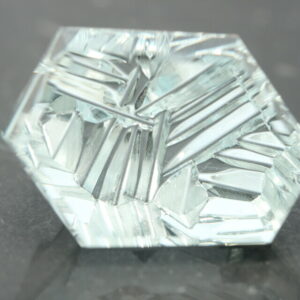
Aquamarine
€1.195,00
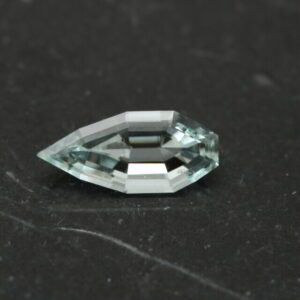
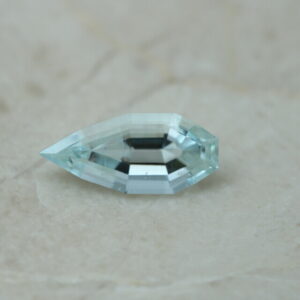
Aquamarine
€159,00
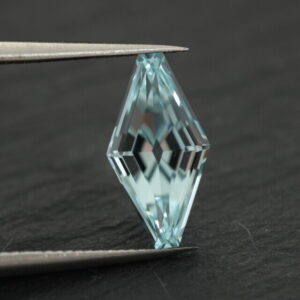
Aquamarine
€395,00
€284,00

Aquamarine
€354,00
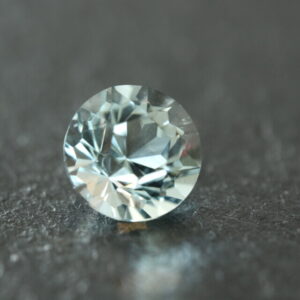
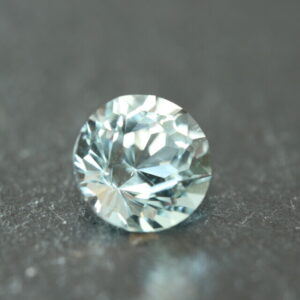
Aquamarine
€175,00
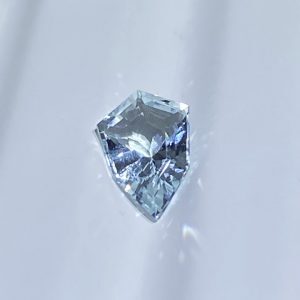
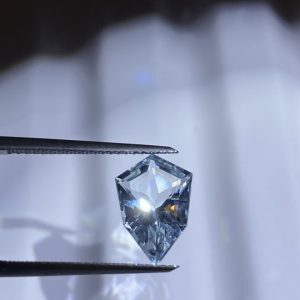
Out of stock
Aquamarine
€149,00

Out of stock
Aquamarine
€135,00
Aquamarine
€192,00
Out of stock
Aquamarine
€380,00
Aquamarine
What is aquamarine
Aquamarine is the blue to blue-green variant of the mineral beryl, the same mineral group as emerald and morganite. The name comes from the Latin aqua marina, meaning "seawater." The color is caused by traces of iron (Fe²⁺/Fe³⁺) in the crystal lattice.
Aquamarine has a hardness of 7.5 to 8 on the Mohs scale, making the stone excellent for everyday use in jewelry. Due to its often high clarity and soft, serene color, aquamarine is loved by both designers and consumers.
Aquamarine is an elegant and versatile gemstone with a distinctive soothing color. Its natural clarity, durability, and soft blue hues make it a popular choice for high-end jewelry. Deep-colored and untreated specimens from reputable sources enjoy the highest appreciation.
Aquamarine variants
Aquamarine has a number of variants and classifications based on color, purity, and crystal form:
- Light blue aquamarine
- The most common color. Usually clear, with a soft appearance.
- Deep blue aquamarine (Santa Maria color)
- Highly sought after. Deep sea blue with high color intensity. The name originally refers to finds from the Santa Maria mine in Brazil.
- Greenish blue aquamarine
- Aquamarine with a visible green undertone. In its natural, unheated form, often greener than what the market considers “ideal.”
- Cat’s eye aquamarine
- Rare cabochon-cut stones with a light reflection (chatoyance) reminiscent of a cat’s eye.
- Star aquamarine (rare)
- Very exceptional. Exhibit a star-shaped light pattern when cabochon-cut.
Origin of aquamarine
Aquamarine is found worldwide in granite pegmatites. The main regions of origin are:
- Brazil – Largest producer.
- Supplies both light blue and deep blue stones (Santa Maria).
- Pakistan (Skardu region)
- Crystalline, clear blue specimens from mountainous areas.
- Madagascar
- Green to blue-green aquamarine, often with beautiful transparency.
- Mozambique
- Known for clear, medium-blue stones.
- Nigeria, Afghanistan, India, Russia (Urals), the USA (Colorado)
- Various qualities.
Aquamarine treatments
Aquamarine is relatively stable, but sometimes undergoes mild treatments to improve the color:
- Heat treatment (very common)
- Removes green undertones and enhances the blue color.
- Is considered acceptable within the gemstone trade. The treatment is usually permanent and difficult to detect without laboratory analysis.
- Irradiation (rarely applied)
- Is sometimes used to enhance color, but is of little commercial relevance for aquamarine.
- Untreated aquamarine
- Is considered valuable, especially if the stone already has a pure, deep blue color naturally.
Most sought-after aquamarine
- Santa Maria aquamarine
- Deep, intense sea blue. Very scarce. Originally from Brazil, but the term is also applied to comparable quality from Mozambique and other sources.
- Large, pure crystals
- Aquamarine sometimes occurs in large, transparent crystals. Stones over 10 carats with high color intensity are highly sought after.
- Untreated blue aquamarine
- Rare and popular among natural gemstone enthusiasts.
- Cat’s eye or star aquamarine
- Unique optical effects make these stones interesting to collectors.