
 Nederlands
Out of stock
€390,00
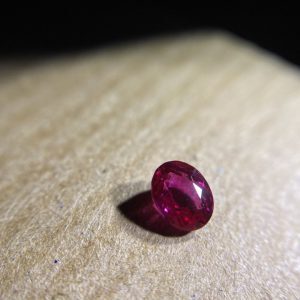
€160,00

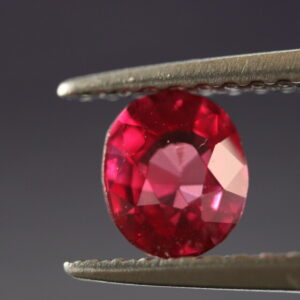
Out of stock
€780,00
Ruby
What is ruby?
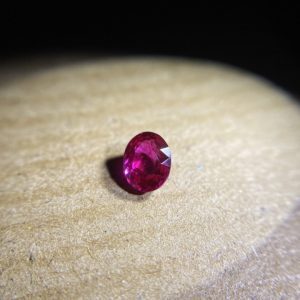
Ruby is the red variety of the mineral corundum (Al₂O₃). Its color is caused by the presence of chromium within the crystal structure. Corundum of any other color is known as sapphire. Along with diamond, emerald, and sapphire, ruby is one of the four classic precious gemstones and is especially admired for its deep red color, symbolism of passion, and rarity.With a hardness of 9 on the Mohs scale, ruby is the second-hardest gemstone after diamond, making it exceptionally suitable for everyday wear.Ruby is one of the world's most valuable and rare colored gemstones. Its combination of intense fiery color, outstanding hardness, and royal history makes it a timeless classic. Untreated Pigeon Blood rubies—particularly those from Myanmar—represent the pinnacle of the market for both collectors and investors.
Types of ruby
Rubies are classified based on color, transparency, origin, and treatments:
- Pigeon Blood Ruby - an intense red with a slight bluish undertone. The most highly prized color, especially from Myanmar. Extremely rare and highly valuable.
- Bright Red Ruby - slightly lighter or warmer shades of red. Less rare but still highly desirable.
- Star Ruby - a cabochon-cut ruby displaying a six-rayed star (asterism) caused by needle-like rutile inclusions.
- Black Ruby - very dark red to nearly black rubies, often opaque. Generally considered lower quality.
- Synthetic Ruby - laboratory-grown and chemically identical to natural ruby. Primarily used in industrial applications or affordable jewelry.
Origin of ruby
Rubies are mined in several locations around the world, and their origin can have a significant impact on value and prestige:
- Myanmar (Burma) – especially the Mogok region, famous for its highly sought-after Pigeon Blood rubies.
- Thailand – produces many rubies, typically with darker red colors.
- Sri Lanka (Ceylon) – known for lighter, vivid rubies with excellent transparency.
- Mozambique – a major modern source of rubies, offering a wide range of qualities.
- Madagascar, Afghanistan, Vietnam, and Tanzania – growing producers of high-quality rubies.
Ruby treatments
Several treatments are commonly applied to rubies. These affect value and should always be disclosed when selling:
- Heat treatment (most common) - enhances color and clarity. This practice has been used for centuries and is widely accepted within the gemstone trade. Most rubies on the market have been heat treated.
- Lead-glass filling - fractures are filled with lead-containing glass to improve transparency. This significantly reduces the gemstone's value, as treated stones are less durable and more fragile.
- Diffusion treatment - color is artificially introduced into the outer layer of the crystal. Generally regarded as an inferior treatment.
Most sought-after rubies
- Untreated Pigeon Blood rubies from Myanmar - the ultimate collectors' gemstones. Often certified by renowned laboratories such as GIA, SSEF, or Gübelin.
- Mozambique rubies with exceptional color and minimal inclusions - a modern favorite due to their beauty and increasing availability.
- Star rubies with distinct asterism - highly sought after by collectors and enthusiasts of optical phenomena.
- Large, transparent rubies over 3 carats with excellent color - rare gemstones with strong long-term value appreciation.
Prices per carat
The value of a ruby depends heavily on its color, origin, treatment, clarity, and size. Indicative prices per carat (EUR) (2025):
- Pigeon Blood, untreated, Myanmar | No treatment | €20,000 – €500,000+
- Pigeon Blood, heat treated, Myanmar | Heat treated | €5,000 – €50,000
- Mozambique, top quality, heat treated | Heat treated | €1,500 – €10,000
- Sri Lanka, eye-clean with lighter color | Heat treated | €800 – €5,000
- Lead-glass-filled ruby | Lead-glass filling | €20 – €200
- Star ruby, good star, medium quality | Usually heat treated | €200 – €2,000
- Synthetic ruby | N/A | €5 – €50